Trading Product
Forex CFDs
Exchange-rate exposure, without delivering currency
Forex CFDs let you take a position on the price of one currency against another. You never buy or receive the underlying currency: you open a leveraged contract whose result is the difference between your entry and exit price.
Why trade Forex CFDs with DXM
Price exposure only
Your result is the price difference on the contract, not delivery of an asset.
Long or short
Open in either direction; losses grow if the market moves against you.
Margin and leverage
Margin is a deposit against exposure, not a cap on it, and applies per instrument.
Conditions where they are binding
Instrument list, sizes, spreads and hours come from your account terms and the platform.
What is it?
Forex, or foreign exchange, is the market where one currency is priced against another. Every instrument is a pair: in EUR/USD, the euro is the base currency and the US dollar is the quote currency, and the price says how much of the quote currency one unit of the base is worth.
A forex CFD is a contract on the movement of that pair. You never deliver or receive euros or dollars; you gain exchange-rate exposure and settle the difference in price, in cash, when the position closes.
Instrument examples
- EURUSDEUR / USD
- GBPUSDGBP / USD
- USDJPYUSD / JPY
Instrument examples — confirm availability and contract conditions for your account. Availability depends on your account type, the session and the contract terms applied to your account; the platform shows what you can actually trade.
How it works
Pick a pair and a direction
Going long means you expect the base currency to strengthen against the quote currency. Going short means the opposite.
Choose the size
Size is expressed in lots. The contract size behind a lot determines how much each price movement is worth, so it decides your real exposure.
Post margin
Opening the position requires margin — a deposit held against the exposure. Leverage is the relationship between that deposit and the exposure it supports.
Manage and close
You can attach a stop loss and a take profit, adjust them while the position is open, and close manually. Your result is the difference between entry and exit, minus costs.
Key concepts
Base and quote currency
The first currency in the pair is the base; the second is the quote. The price is the quote value of one unit of base.
Majors, minors and exotics
Majors pair the most heavily traded currencies with the US dollar. Minors pair majors with each other without the dollar. Exotics involve a smaller or less traded currency and usually move less predictably with wider spreads.
Bid, ask and spread
The bid is the price to sell, the ask the price to buy. The spread is the gap between them and is the first cost of the position — it can widen when liquidity falls.
Pip
A pip is the standard small increment of a pair's price. Its cash value depends on the pair and on your position size.
Lot, contract size and exposure
A lot maps to a contract size. Exposure is size multiplied by price, which is why a small account can control a much larger notional value.
Margin and leverage
Margin is the deposit required to hold the position. Leverage multiplies both gains and losses; it does not reduce the exposure you are responsible for.
Long and short
Long profits if the pair rises, short if it falls. Both directions carry unlimited-in-principle risk until the position is closed.
Market, limit and stop orders
A market order executes at the best price currently available. A limit order waits for a specified price or better. A stop order becomes active once a specified level trades.
Stop loss and take profit
A stop loss closes a losing position at a defined level; a take profit closes a profitable one. Which order types your account supports is shown in the platform — do not assume a type is available until you see it there.
Gaps and slippage
When price jumps without trading at the levels in between, orders can fill away from the requested level. This is normal around weekend re-openings and major news.
Sessions, liquidity and gaps
Currency trading follows the business day around the world: the Asian session, then the European session, then the US session. Where two sessions overlap, more participants are active at once, which usually means more liquidity and tighter spreads.
Quiet hours, public holidays and scheduled news releases work the other way: spreads can widen, liquidity thins, and prices can move sharply. Exact opening and closing times differ per instrument and per account, so check the trading hours shown in the platform rather than relying on a universal schedule.
Risk warning
CFDs are leveraged instruments. Margin is a deposit, not a limit on your exposure, so losses can exceed your initial margin and in fast markets your position can close at a worse price than expected. Spreads, financing and other costs reduce your result. Prices can gap over weekends, holidays and news events, and a stop order is an instruction to close — not a guarantee of the price it fills at.
Risks to understand
- Leverage magnifies losses as much as gains, and losses can exceed your margin.
- Spreads and any financing or commission costs reduce your result on every position.
- Gaps and slippage mean fills can differ from the level you asked for.
- Exotic and thinly traded pairs can move sharply on little volume.
DXM Asterion
Trade Forex CFDs with DXM Asterion
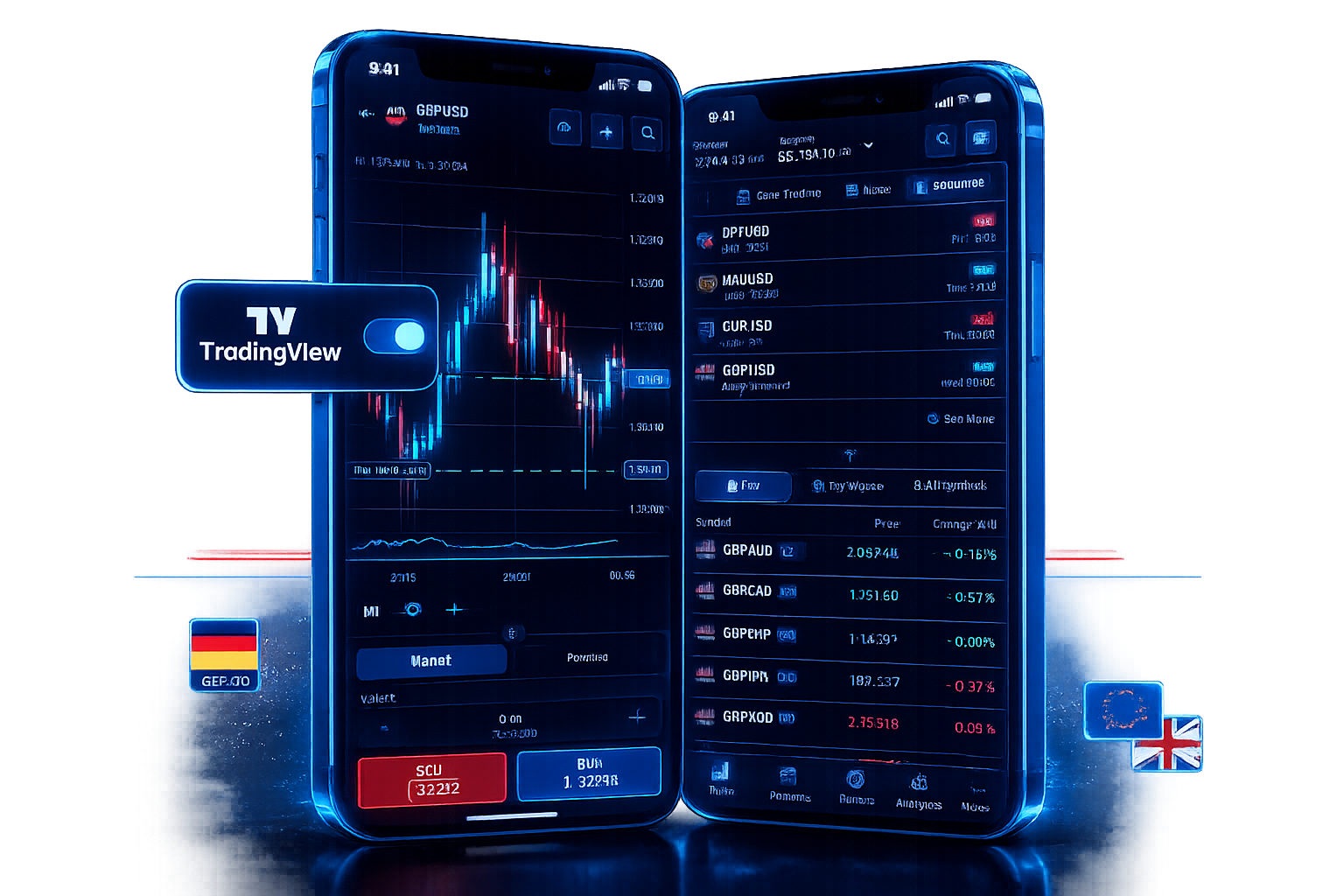
DXM Asterion is the trading environment for approved clients. It is browser-based, so there is nothing to install.
- Live quotes for the instruments enabled on your account
- Interactive charts with drawing and timeframe tools
- Open positions with running profit and loss
- Pending orders you can place, edit or cancel
- Account and margin information in one panel
- Trade and transaction history
A visible quote or chart does not guarantee live execution: an instrument is tradable only when it is enabled for your account and the market is open.
An application does not open an account. It is reviewed by our onboarding team first, and access is granted only if it is approved.
Frequently asked questions
Trade with DXM Capital
Send a live account application for review, or explore the platform with a demo first.